
You should not routinely take ibuprofen with Entresto without asking a certified cardiologist or pharmacist first. Ibuprofen is a nonsteroidal anti-inflammatory drug (NSAID), and combining it with Entresto can increase the risk of kidney problems, especially if you are older, dehydrated, take a diuretic (“water pill”), or already have reduced kidney function.
Entresto is the brand name for sacubitril/valsartan, a heart-failure medicine that affects hormones involved in blood-pressure control and fluid balance. Because ibuprofen can reduce blood flow to the kidneys and cause fluid retention, the combination needs medical supervision rather than casual, over-the-counter use.
Why?….. Quick Answer
For most people taking Entresto, ibuprofen is not the preferred pain reliever. The FDA’s Entresto labeling warns that NSAIDs—including ibuprofen and COX-2 inhibitors—may worsen kidney function and, in susceptible patients, can cause acute kidney injury.
That does not necessarily mean a single accidental dose will harm you, but it does mean you should contact your doctor, pharmacist, or heart-failure team before using ibuprofen regularly. They may recommend acetaminophen (paracetamol) instead, depending on your liver health, alcohol intake, other medicines, and the reason you need pain relief.
What Is Entresto?
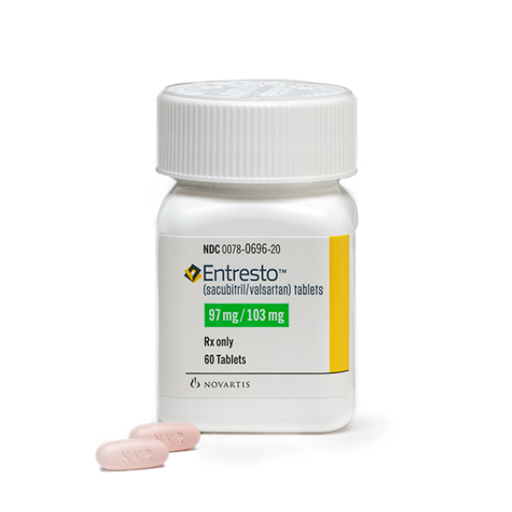
Entresto combines two active ingredients: sacubitril and valsartan. It is commonly prescribed for certain adults with chronic heart failure with reduced ejection fraction, and it helps reduce strain on the heart by affecting the renin-angiotensin-aldosterone system (RAAS).
Valsartan blocks angiotensin II receptors, which can lower blood pressure and reduce harmful hormonal signaling. Sacubitril increases protective natriuretic peptides, which help the body eliminate sodium and water. Together, these effects can improve heart-failure outcomes but can also affect kidney function and blood pressure.
Because Entresto influences fluid balance and kidney perfusion, your clinician will often monitor your blood pressure, kidney tests, and potassium levels—particularly when you start treatment, change doses, become ill, or add medicines such as NSAIDs.
Why Ibuprofen Can Be a Problem
Ibuprofen belongs to the NSAID drug class. Other common NSAIDs include naproxen, diclofenac, meloxicam, indomethacin, celecoxib, and high-dose aspirin used for pain or inflammation.
NSAIDs reduce prostaglandins, chemicals that help maintain blood flow to the kidneys. When you take Entresto, your kidneys may already be more dependent on those protective mechanisms. Adding ibuprofen can interfere with that balance, reducing kidney blood flow and making it harder for your body to eliminate sodium and water.
The FDA specifically states that using NSAIDs with Entresto may result in worsening renal function, including possible acute renal failure, and advises periodic kidney-function monitoring.
Who Has the Highest Risk?

The interaction matters most for people with certain risk factors. You should be especially cautious with ibuprofen if you:
- Are older, because kidney function often declines with age.
- Are dehydrated, for example from vomiting, diarrhea, fever, hot weather, or inadequate fluid intake.
- Take a diuretic such as furosemide, bumetanide, torsemide, or hydrochlorothiazide.
- Already have chronic kidney disease or an elevated creatinine level.
- Have low blood pressure or feel dizzy when standing.
- Have heart failure that is unstable or recently worsening.
- Take other medicines that affect the kidneys, blood pressure, or potassium, such as ACE inhibitors, ARBs, spironolactone, or potassium supplements.
This is sometimes called a “triple whammy” risk when an RAAS-blocking medicine such as Entresto is combined with a diuretic and an NSAID. Together, these three drug types can reduce kidney perfusion and increase the risk of acute kidney injury.
Can You Ever Take Ibuprofen With Entresto?
Only your prescribing clinician can decide whether a short course of ibuprofen is appropriate for you. In some situations, a clinician may decide the benefit outweighs the risk—for example, for a very short duration under close monitoring—but this is an individualized medical decision.
Do not assume that because ibuprofen is available without a prescription, it is automatically safe with Entresto. The FDA labeling treats NSAIDs as a clinically important interaction because of the kidney risk.
If you have already taken one normal dose of ibuprofen, avoid taking more and contact your pharmacist or prescriber for advice. Seek urgent medical care if you develop markedly reduced urination, swelling in your legs or abdomen, sudden weight gain, severe dizziness, fainting, shortness of breath, or persistent vomiting or diarrhea with inability to drink fluids.
Safer Pain-Relief Options
For many people with heart failure, acetaminophen (paracetamol) is often the first-choice over-the-counter option for mild to moderate pain or fever because it does not have the same NSAID-related kidney and fluid-retention concerns. However, it is not risk-free: excessive doses can harm the liver, and you should follow the package directions and ask a clinician if you have liver disease or drink alcohol heavily.
Other options depend on the cause of your pain:
- Topical treatments: Some localized pain may respond to heat, cold, stretching, physical therapy, or topical products; ask your pharmacist before using anti-inflammatory gels because some can be absorbed systemically.
- Non-drug measures: Rest, gentle movement, ice or heat, posture changes, and physical therapy may help musculoskeletal pain.
- Prescription alternatives: Your clinician may recommend a different pain strategy based on your diagnosis, kidney function, blood pressure, and other medicines.
- Dental or injury pain: Contact the relevant clinician promptly rather than repeatedly self-treating with ibuprofen.
Do not switch to another NSAID—such as naproxen, diclofenac, or celecoxib—without medical advice. The FDA’s warning applies to NSAIDs as a class, including COX-2 inhibitors- Accessdata FDA

What About Low-Dose Aspirin?
Low-dose aspirin is different from regular ibuprofen. Many people take 75–100 mg aspirin daily for cardiovascular prevention, and your cardiologist may have recommended it.
Do not stop prescribed low-dose aspirin on your own. But do not add regular ibuprofen or other NSAIDs for pain without checking with your clinician, because the kidney-risk concern applies to NSAIDs broadly.
If you use aspirin for pain, fever, or inflammation at higher anti-inflammatory doses, discuss that specifically with your prescriber.
Symptoms of Kidney Trouble to Watch For
Contact your healthcare professional promptly if you notice possible signs of reduced kidney function or fluid overload after taking ibuprofen with Entresto:
- Passing much less urine than usual
- New or worsening swelling in the ankles, feet, legs, or abdomen
- Rapid weight gain over a few days
- Increasing shortness of breath, especially when lying flat
- Persistent nausea, vomiting, or reduced appetite
- Unusual tiredness or confusion
- Dizziness, lightheadedness, or fainting
- Dark urine or blood in the urine
These symptoms do not prove kidney injury, but they deserve prompt assessment—particularly if you have heart failure, take diuretics, or have existing kidney disease.
How to Reduce the Risk
If your clinician approves limited ibuprofen use, follow their exact instructions. In general, safer medication habits include:
- Use the lowest effective dose for the shortest possible time.
- Avoid “double-dipping” in NSAIDs. Do not combine ibuprofen with naproxen, diclofenac, celecoxib, or other NSAID products.
- Stay hydrated unless your clinician has restricted fluids. Dehydration increases the risk to your kidneys- EMA, Europa
- Do not skip diuretics without advice. If you are ill and cannot keep fluids down, contact your heart-failure team because both dehydration and fluid overload can be dangerous.
- Check all medicine labels. Many cold, flu, menstrual, and combination pain products contain NSAIDs.
- Keep follow-up blood tests. Your clinician may check creatinine, estimated glomerular filtration rate (eGFR), potassium, and blood pressure.
- Tell every new prescriber and pharmacist that you take Entresto. This helps prevent accidental NSAID recommendations.
Other Important Entresto Interactions
Ibuprofen is not the only medicine that requires caution with Entresto.
ACE inhibitors
Do not combine Entresto with an ACE inhibitor such as lisinopril, enalapril, ramipril, or captopril. This combination can increase the risk of angioedema, a rare but serious swelling reaction. If you are switching from an ACE inhibitor to Entresto, your clinician will usually require a washout period.
Potassium-raising medicines
Entresto can increase potassium levels. Be cautious with potassium supplements, salt substitutes containing potassium chloride, and medicines such as spironolactone or eplerenone unless your clinician is monitoring you closely.
Blood-pressure medicines
Entresto can lower blood pressure. Adding other blood-pressure medicines, nitrates, or PDE-5 inhibitors such as sildenafil may increase dizziness or fainting risk. Tell your clinician if you feel consistently light-headed.
Alcohol
Alcohol can worsen dizziness, dehydration, and low blood pressure. If you drink, do so cautiously and discuss it with your clinician, especially if you have heart failure or kidney disease.
What to Tell Your Doctor or Pharmacist
Before taking ibuprofen—or any new pain medicine—share the following information:
- That you take Entresto and your current dose
- All prescription medicines, including diuretics and blood-pressure drugs
- All over-the-counter products, supplements, and herbal products
- Your most recent kidney-function results, if you know them
- Whether you have diabetes, high blood pressure, heart failure, or kidney disease
- Whether you have had swelling, angioedema, or allergic reactions to medicines
- Why you need pain relief and how long you expect to need it
A pharmacist can often review your full medicine list quickly and identify duplicate NSAIDs or other interaction risks.
Frequently Asked Questions
Can I take one ibuprofen tablet with Entresto?
Do not take it routinely without checking first. A single dose may not cause a problem for everyone, but Entresto plus ibuprofen can impair kidney function in higher-risk people, and your clinician or pharmacist should guide you based on your kidney function, hydration status, and other medicines.
What painkiller can I take with Entresto?
Acetaminophen/paracetamol is commonly considered a safer first option for many people, but the right choice depends on your liver health, alcohol use, dose, and other medical conditions. Ask your prescriber or pharmacist before starting any regular pain medicine.
Can ibuprofen raise my potassium with Entresto?
Ibuprofen can contribute to kidney impairment, and reduced kidney function can make it harder for your body to remove potassium. Entresto itself can also raise potassium. If you take potassium supplements or potassium-sparing diuretics, this is another reason to avoid unsupervised NSAID use.
Can I take ibuprofen if I feel fine on Entresto?
Feeling well does not eliminate the interaction risk. Kidney function can worsen without obvious early symptoms, which is why clinicians monitor renal function periodically when NSAIDs are used with Entresto.
What should I do if I accidentally took ibuprofen?
Stop taking further doses unless a healthcare professional tells you otherwise, drink fluids if you are allowed and able to do so, and contact your pharmacist or prescriber for individualized advice. Seek urgent care for severe symptoms such as fainting, marked shortness of breath, very low urine output, or major swelling.
Bottom Line
If you are asking, “Can I take ibuprofen with Entresto?” the safest answer is: not without medical advice. Ibuprofen is an NSAID, and the FDA warns that NSAIDs combined with Entresto can worsen kidney function, particularly in older adults, people taking diuretics, dehydrated people, and people with compromised kidney function.
Ask your cardiologist, primary-care clinician, or pharmacist about acetaminophen or another safer option for your specific situation. Keeping your Entresto regimen effective while protecting your kidneys requires choosing pain relief deliberately—not simply reaching for the nearest over-the-counter anti-inflammatory.
Do you want to know which other drugs should not be taken with Entresto? Read our article What drugs should not be taken with Entresto?